Market Updates
Weekly Market Update - 11/5/2026
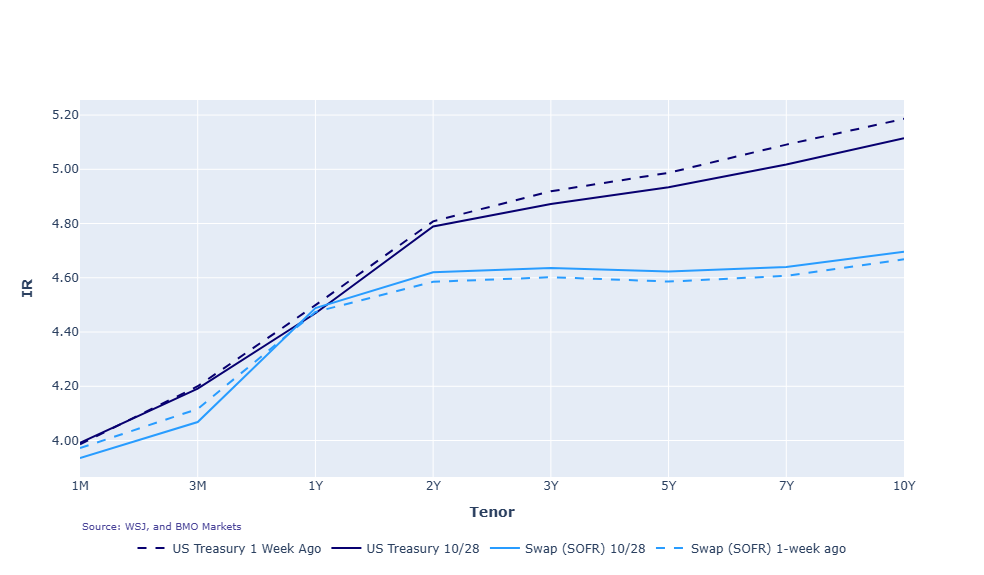
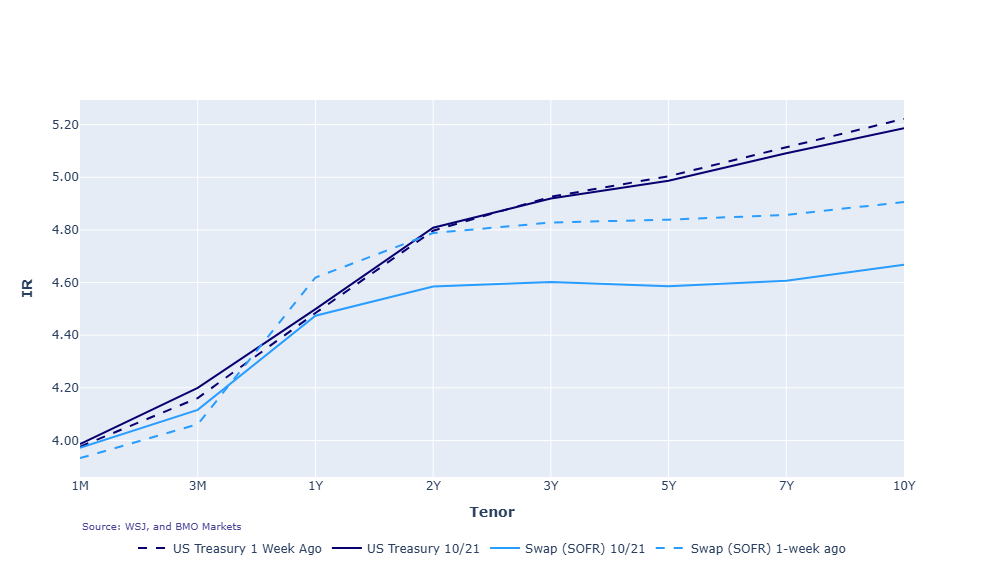
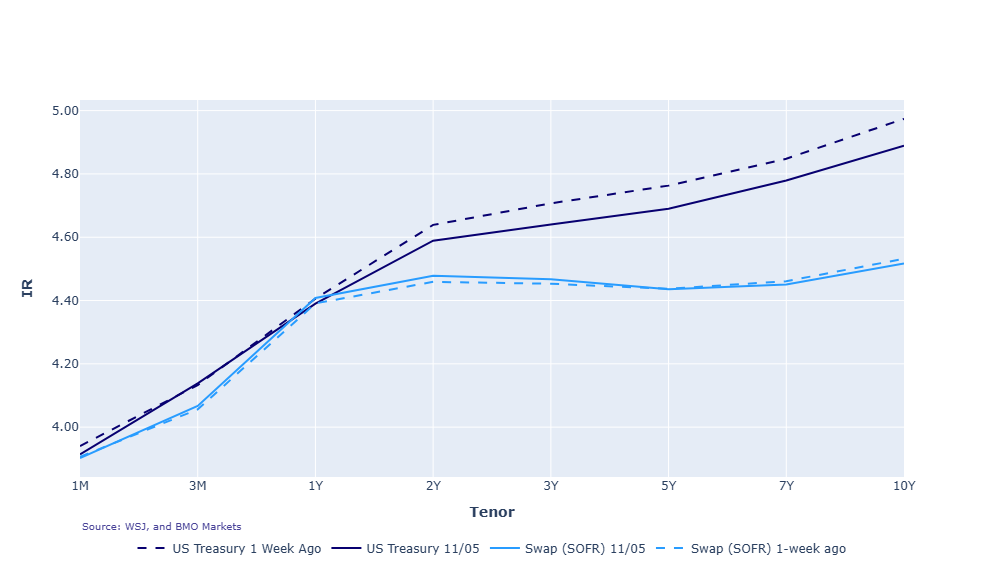
Rates: Rates fell again this week, with the biggest declines in the middle and long end of the curve. Treasury yields...
November 5, 2026

May 13, 2024
Beyond the Ban: FTC's Noncompete Ban and the Financial Sector
The Federal Trade Commission (FTC) recently announced a near-total ban on noncompete agreements, set to take effect in August 2024. This decisive regulation marks a significant shift in employment and competition practices, particularly within the financial sector. However, the impact of this ban will not be uniformly felt across all financial institutions due to the FTC's regulatory scope, which notably excludes banks, savings and loan institutions, and federal credit unions.
The Regulatory Landscape and Immediate Reactions
The exclusion of certain financial institutions from the FTC’s jurisdiction means that banks and similar entities will not be directly affected by the new ban. Understandably, financial institutions under the FTC's purview argue that this places them at a competitive disadvantage. Companies affected by the ban contend that the inability to enforce noncompete agreements may hinder efforts to protect intellectual property (including trade secrets and client lists) and reduce incentives to invest in employee training and development. This ban sparked immediate backlash from affected institutions, including a challenge in court led by the U.S. Chamber of Commerce. Considering that 1 in 5 workers in the United States are subject to noncompete agreements, the change could lead to significant shifts in how companies across different sectors approach employee mobility and investment.
Long-Term Benefits and Broader Impacts
Despite these challenges, many workers and labor advocates celebrate the FTC's decision as a victory for employee rights and economic mobility. The ban is expected to catalyze wage growth, with the FTC estimating a $400 billion increase over the next decade. This projection suggests that, by removing restrictions on employee movement, the ban could enhance overall market efficiency and worker bargaining power—particularly benefiting low-wage workers who are often the most disadvantaged by noncompete clauses. In the long run, this shift could contribute to a more dynamic and equitable labor market, albeit with initial disruptions and adjustments across various sectors.
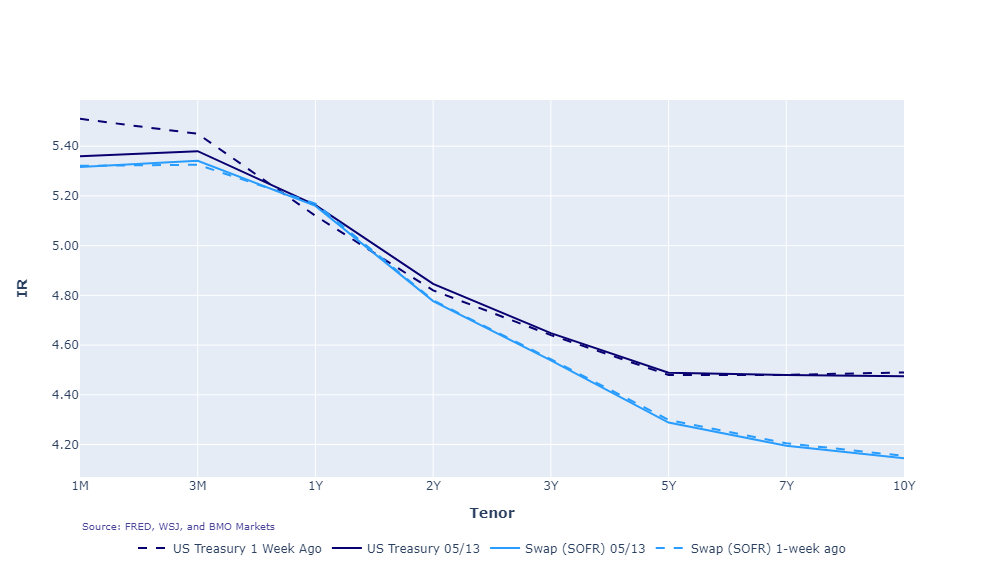
Rates: Rates fell again this week, with the biggest declines in the middle and long end of the curve. Treasury yields...
Rates: Rates fell this week, with the biggest declines at longer maturities. Treasury yields were little changed at...
Rates: Rates fell this week, with larger declines at longer maturities. Treasury yields were little changed at the...
Market updates, articles and firm news, sent straight from Abelian. Change preferences or unsubscribe from any message.